

Quick Rehash
Before we finish this out, here’s where we are.
Part 1: when to use velocity
Part 2: what it actually tells you
Part 3: what numbers to start with
Part 4: when the set should end
Part 5: how to individualize it so you’re not guessing
At this point, you’ve got everything you need to actually use this.
So now we answer the question most people are really asking:
Is this better than everything else?
Short answer: sometimes.
Here’s what you need to know.
The Wrong Way to Think About This
Most people treat training methods like they’re competing.
Percentages vs VBT
RPE vs VBT
RIR vs VBT
It’s not like you must pick one and stick with it for time immemorial.
That’s not how this works.
Each of these tools solves a different problem.
If you understand that, everything gets simpler.
Percentages: Simple, But Assumes Too Much
Percentages are the easiest place to start.
If your max is accurate and your life is stable, they work fine.
You plug in numbers. You follow the plan.
But the problem is that they make some assumptions.
They assume your max hasn’t changed.
They assume your recovery is consistent.
They assume your readiness is the same every time you train.
That’s a lot of assumptions.
And when those assumptions are incorrect, the percentages stop lining up.
That’s when you get sessions that feel way harder than they should…
or way easier than they should.
So percentages are fine.
They’re just not adaptive.
RPE and RIR: Useful, But Still a Guess
RPE and RIR try to fix that.
Instead of using fixed loads, they let you adjust based on how the set feels.
That’s better.
But it introduces a different issue.
It’s still subjective.
“How hard did that feel?”
“How many reps did I have left?”
If you’ve been training a long time, you might be pretty accurate.
If you haven’t, you’re probably off.
And even experienced lifters misjudge this when they’re tired, stressed, or just not locked in.
So RPE and RIR are useful.
But they still rely on your perception.
VBT: What It Actually Adds
VBT doesn’t ask how it felt.
It looks at what actually happened.
How fast did the bar move?
That’s the difference.
It’s not subjective. It’s not a guess.
If the bar is slower than it should be, something is off.
If it’s faster than expected, same thing.
It gives you immediate feedback without having to interpret how you feel.
That’s the value.
Where VBT Actually Makes Sense
VBT is not something you need for everything.
It’s most useful when:
Your readiness changes a lot
Your schedule is inconsistent
You care about moving weight fast, not just lifting it
You’ve had issues with percentages not matching how you feel
You want tighter control over what each set is actually doing
That’s when it pays off.
If your training is stable and you’re progressing fine without it, you probably don’t need to complicate things.
Where It Doesn’t Matter
You don’t need VBT for everything.
You don’t need it for:
-Simple accessory work
-Higher-rep hypertrophy sets
-Machines, dumbbells, basic movements
Tracking velocity on curls or lunges doesn’t make your training better.
It just makes it more complicated.
Use it where it adds value.
Skip it where it doesn’t.
How This Actually Looks in a Real Program
This is where people get it wrong.
They think it’s all or nothing.
It’s not.
A good setup usually mixes methods.
For instance….
Primary lift of the day → velocity-based
You want that precise. You want to know if the load matches the goal
Secondary work → maybe still velocity, maybe not
Depends on how important the output is
Accessory work → RPE or just straight sets
Good enough is good enough
You don’t need perfect data everywhere.
You need the right level of control in the right places.
Practical Example
You walk into the garage to train.
Some days you feel great. Some days you don’t.
Squat day.
Program says 80%.
You load it.
If you’re using percentages only, you just go.
If you’re using RPE, you adjust based on feel.
If you’re using velocity, you look at what actually happens.
If it moves slower than it should, you adjust down. If it moves faster, you adjust up.
Now the session actually matches what you’re capable of today.
That’s the difference.
Same lift. Same plan. Different execution.
And better results.
The Reality
VBT isn’t magic.
It doesn’t make you stronger by itself.
It just gives you better information.
And better information lets you make better decisions.
That’s it.
If you ignore the feedback, it’s useless.
If you use it correctly, it removes a lot of guesswork.
The Real Answer
So which one should you use?
All of them.
Just not all at the same time, and not for the same reason.
Use percentages to structure the program.
Use velocity to check if it’s actually working that day.
Use RPE or RIR where precision doesn’t matter as much.
That’s a solid system.
You’re not locked into one method.
You’re using the right tool for the job.
Wrapping This Up
At this point, you’ve got everything you need to actually use velocity-based training:
You know when to use it
You know what it tells you
You know what numbers to start with
You know when to end a set
You know how to adjust loads
You know where it fits compared to everything else
That’s the full picture.
Appendix: If You Want to Actually Buy a Velocity Device
At some point, this question comes up:
What should I actually use for this?
You don’t need a device to benefit from what we just covered. But if you want real feedback instead of guessing, here are four options, from cheapest to most expensive.
BTW – we don’t have a financial interest in any of these. Just our 2 cents on what you can use.
My Lift (Cheapest Entry Point)

Price: about $10–$30
Product:
https://www.my-lift.app/
This uses your phone camera. No hardware.
Good for learning. Not great for long-term precision.
GymAware FLEX (Budget Hardware Option)
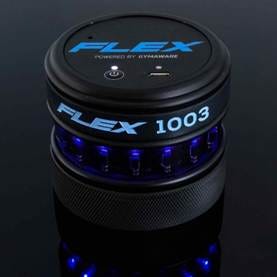
Price: about $450–$600
Product:
https://gymaware.com/products/flex/
This is your first real hardware step up.
No cable. Attaches directly to the bar. Uses your phone.
More consistent than app-based tracking, but not as precise as full cable systems.
If you want something simple that actually works without jumping to high-end pricing, this is a solid option.
RepOne (Best Value for Most People)

Price: about $400–$600
Product:
https://www.reponelabs.com/
This is the sweet spot. Reliable enough. Simple. Works.
Vitruve (Mid-Range Cable System)

Price: about $400–$900
Product:
https://vitruve.fit/
Cable-based system. More consistent tracking than app-based tools.
GymAware (Top-End Option)
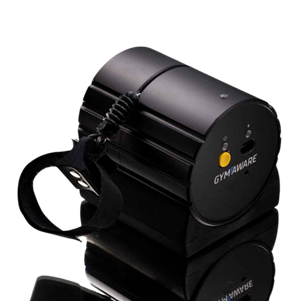
Price: about $2,000–$2,500
Product:
https://gymaware.com/
This is the high-end option. What pro and tactical settings use.
What Actually Matters
You’re not buying this to collect data.
You’re buying it to answer:
Is this weight moving how it should today?
Am I actually being explosive?
When should I stop the set?
Simple Recommendation
Start cheap if you’re unsure.
Go RepOne if you want something legit.
Go Vitruve if you want cable-based.
Go GymAware if you want the best.